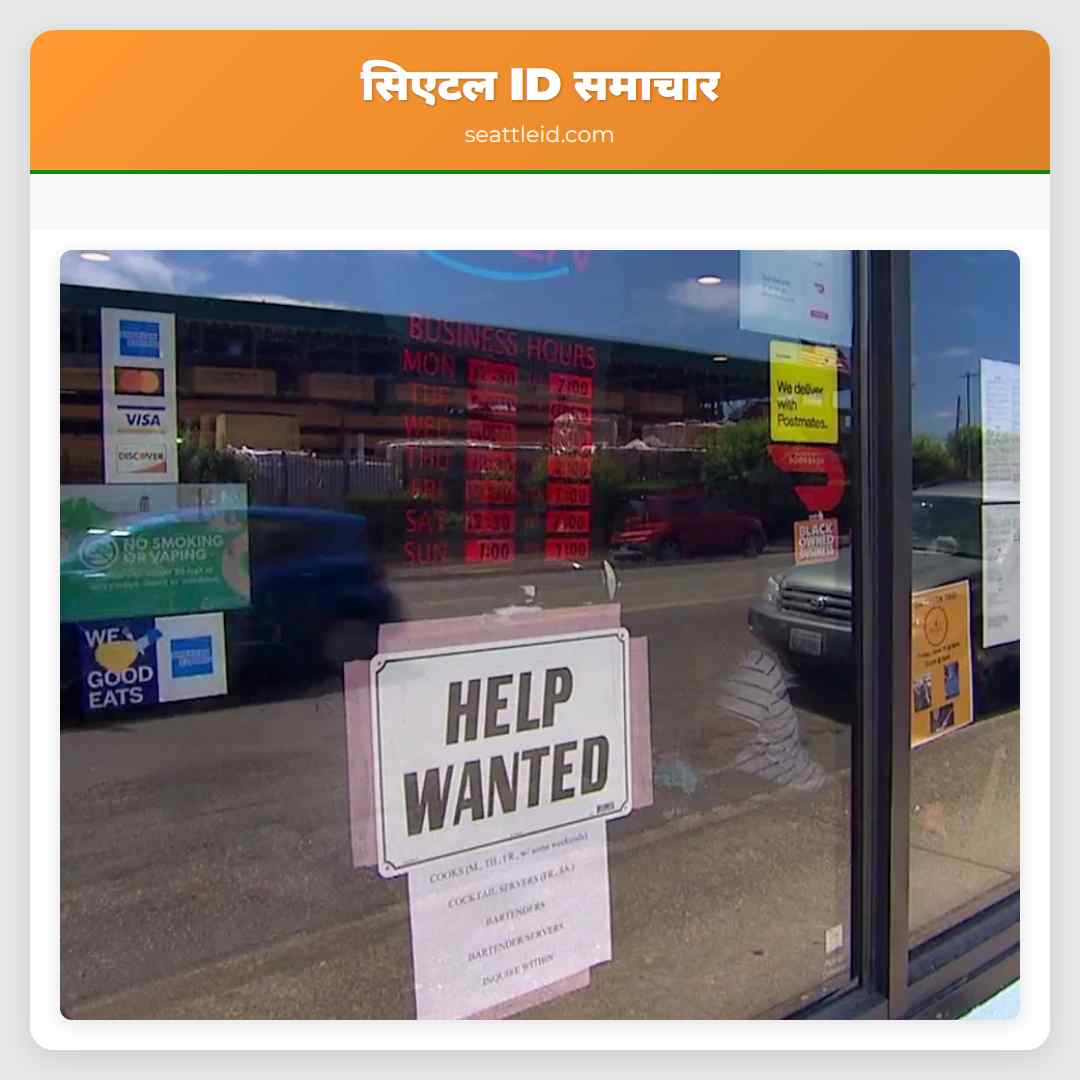
Fraudsters are increasingly luring job seekers to apply for positions that don’t exist, often costing victims thousands of dollars.
Scammers are promoting fake jobs alongside legitimate ones, using online ads, job boards, social media, and newspapers. Cybercriminals also send unsolicited messages via email and text.
These offers usually promote a high-salaried professional position or an “easy money” work-from-home gig with flexible hours. The goal: To trick you into providing personal information (such as Social Security and bank account numbers) and/or various traps that compel you to send them money.
Business/job opportunities ranked as the third-highest category on the Federal Trade Commission’s (FTC) 10 Top Fraud list for 2024. Both the number of victims and reported losses have increased dramatically in recent years.
In 2024, the FTC received over 126,000 employment complaints, an 18 percent increase from the previous year. From 2020 to 2024, reported losses jumped from $90 million to $501 million.
Job scams tend to be expensive: The median loss per victim was $2,250, second only to investment scams.
10 Top Fraud List for 2024. (courtesy of the Federal Trade Commission){ }
Criminals have taken advantage of the shift to remote work because they never need to meet with applicants. They can handle everything through text, email, or video calls.
“It certainly makes it easier for them to scam you, because you’re not meeting in person; you’re not going to an office or store location to meet your potential new boss, as you used to,” Nofziger told Checkbook.
Work-from-home “opportunities” range from reshipping packages and envelope stuffing (old school, but still around) to data processing and rating videos.
Here’s how they trick you: At-home job scams often involve fake checks. The new “employer” (fraudster) sends the “new employee” (you) a check to cover
work expenses or office supplies/equipment. The check is always for more-sometimes thousands more-than is needed.
You’re told to deposit the check and return the excess funds. “And they’re going to request money in a weird form,” said Amy Nofziger, director of fraud victim support at the AARP Fraud Watch Network. “They’re going to ask you to go to a crypto ATM machine, or to send money via a peer-to-peer app, like Venmo, Cash App, or Zelle. They might even ask you to buy them prepaid gift cards.”
Banks are required by law to make funds available quickly, so after you deposit the fake check, the funds will show up in your account within a few days. But because it’s a forged check, it hasn’t actually cleared; it will take weeks before it’s found to be counterfeit. When that happens, your bank will reverse the deposit, and you’ll be responsible for the full amount. If you’ve already paid back the scammer for the overpayment, you’ll be on the hook for the loss.
Many job scams involve performing tasks that aid scammers in wider crimes.
Reshipping Scams: As a “delivery operations specialist” or “quality control manager,” your job will be to receive shipments, repackage them, and send them to another address. The bogus job listings may even falsely claim affiliation with companies like Amazon or FedEx.
Here’s what they don’t tell you: You’ll be processing expensive products that were purchased with stolen credit cards and sending them to the scammers at another address (often international), to hide their location from authorities. “Reshipping goods is never a real job,” the FTC cautions.
Task Scams: With these jobs, scammers want you to do simple, repetitive tasks, such as “liking” videos, rating products, or clicking links. According to the FTC, the scammers make these do-nothing jobs sound legit by describing them as “product boosting” or “optimization tasks,” but getting paid to rate or like things online is “illegal, and no honest company would do it,” the FTC warns.
Mystery Shopper Scams: What could be better than getting paid to shop? There are real mystery shopper jobs, but many are scams. Honest mystery shopping companies don’t ask you to pay for certifications or job directories-they pay you for completed assignments. Mystery shopping jobs are typically part-time work that don’t pay enough to replace a full-time job. Only scammers guarantee big earnings.
Don’t respond to any ads that claim to be with the Mystery Shoppers Professional Association (MFPA). The MFPA does not solicit mystery shoppers. It lists companies that use mystery shoppers on its website.
When Stephen Johnson received an unsolicited text offering him quick money for doing tasks for The Home Depot, he decided to respond. Johnson, a senior writer at Lifehacker.com, knew it was a scam and wanted to see what would happen. The pay was good. He could earn up to $45,600 a year for “evaluating and rating products and providing real IP and device data for uploading.”
Before he accepted the job, Johnson texted the fraudsters to ask if this was a scam, and they assured him…
ट्विटर पर साझा करें: Job scams are surging as fake listings blend into real job ads and outreach